


The journey from a digital slot machine win to receiving the keys to a new home makes for a good story piggybankcasino.net. It connects the thrill of a game with the significant business of buying property. This article explores the online slot game Piggy Bank Slot and walks through what it would really take to turn a big win into a real estate purchase in Australia. The game is just entertainment, but its theme of smashing open savings touches a nerve for anyone hoping of buying a place. We will explain how the slot works and why it’s appealing, then move on to a step-by-step guide on buying property. We will cover everything from getting your money in order to the final delivery at settlement. This is about that symbolic leap from a virtual jackpot to a physical front door, illustrating both the exciting possibility and the hard work required to make it happen.
Risk Perception: Gambling Compared to Investment Mindset
It is vital to recognize the sharp line between recreational gambling and real estate investing. Titles such as Piggy Bank Slot are for fun. Their results come from a Random Number Generator, the probabilities are in favor of the casino, and you will probably come out behind over time. They create short-term thrills but no lasting asset. Acquiring property, when done correctly, is an investment. It is founded on analysis, thorough inspection, long-term strategy, and purchasing a physical asset you can use or rent out. Its value depends on economic influences, area, and how effectively you manage it, not on randomness.
Using gambling winnings to fund a property buy is a dangerous strategy. It should under no circumstances be your main financial plan. The discipline you need to purchase a house—saving a deposit, obtaining financing, studying areas, working with attorneys—is the complete opposite of the inactive, random play of a slot machine. If you opt to gamble, do it responsibly. View it as a form of paid amusement with a strict loss boundary. Do not regard it as a method of accumulating wealth. True financial safety and asset building come from a well-defined approach, consistent effort, and intelligent money handling. These are the principles that ensure a property deal succeeds. They make certain that your “closing break” results in a stable and gratifying tomorrow, not just a passing rush.
Managing the Property Search and Purchase Process
Once your finances are arranged, the real hunt begins. This part requires patience and a plan, a world away from the instant result of a slot machine. Start by writing down what you need. Determine your maximum budget, the suburbs you favor, the type of property, and your non-negotiable features. Reflect on whether you are buying to live in it or as an investment. Then you explore the listings on websites, tour open homes, and get to know areas. Check out local shops, transport, schools, and any planned developments. For an existing home, a building and pest inspection is essential. If you are buying off-the-plan, you must pore over the contract and research the builder’s reputation. You can buy through a private treaty sale, where you bargain a price, or at an auction.
Auctions, especially in cities like Sydney and Melbourne, are competitive. You need your finance pre-approved and you must set a hard limit to avoid getting carried away in the heat of the moment. Winning at auction means the sale is final and unconditional on the spot. With a private treaty, you make an offer, usually with conditions like “subject to finance” or “subject to inspection.” These conditions give you a way out if something goes wrong. Through all of this, a good conveyancer or property lawyer is your best supporter. They check the sale contract, explain your legal duties, and protect your interests. This whole search and negotiation phase tests your research skills, your nerve, and your ability to stay calm. It is here that the abstract idea of “wealth” from a game starts to become a specific house or apartment, molded by your choices, not by a random number generator.
Final Steps: Pre-Settlement Check and Settlement Day
In the lead-up to settlement, you have two remaining jobs to make sure the property is as it should be. The pre-settlement inspection takes place a day or two ahead of you become the owner. This is not meant to be another building check. You are confirming that the place is in the same state as when you acquired it. You verify that all the light fixtures, oven, and other included items are still there. You ensure the seller did any repairs they promised. Watch for any new damage and verify the property is unoccupied (unless you agreed otherwise). If you find a major problem, contact your conveyancer straight away. They can attempt to fix it or even hold up settlement until it is resolved.

Settlement day is the big finish, the real “closing break” of the deal. It is a choreographed dance between lawyers and banks. Your lender forwards the mortgage money to the seller’s bank. Your conveyancer remits the rest of the purchase price from the deposit they have been holding. At the same time, the legal papers for the title transfer are exchanged. Once everyone confirms the money has been transferred, the settlement agent instructs the state land titles office to enter you as the new owner. Then the real estate agent takes the call, and they present the keys. This whole process is dealt with by professionals. When you eventually get those keys, it is a tangible achievement. It is a satisfaction that a digital win cannot equal, because it comes from a complex journey you successfully completed.
The Legal Framework: Property Transfer and Purchase Contract
Conveyancing is the legal process that transfers property from one owner to another. You want an expert on your side to avoid pricey mistakes. Once your offer is agreed or you win at auction, the contract of sale becomes the guidebook. This enforceable document outlines all the terms: who is buying and selling, the address, the price, the deposit, the settlement date, and what items are part of the deal, like curtains or appliances. Your conveyancer reviews this contract line by line. They flag any unusual or risky clauses and clarify what everything means. They also arrange searches from the local council, the land titles office, and other agencies. These searches find undisclosed problems you would never see just by walking through the house.
Key Searches and Thorough Checks
What can these searches reveal? Plenty. They might show a plan to rezone the area, a proposal for a new road through your backyard, an easement that lets the neighbour drive across your land, unauthorised building work, or unpaid council rates. Your conveyancer ensures any conditions in the contract, like getting finance approved, are met on time. They also take care of the money details. They determine how much you owe for council rates and water bills that the seller has already paid. They liaise with your bank and the seller’s lawyer to arrange swapping the legal documents and the money on settlement day. This legal work ensures you get full and clear ownership of the property. It doesn’t have the flash of a slot game bonus round, but this is where you lock in a real win. You avoid legal traps and financial headaches by having a professional watch your back.
From Jackpot to Deposit: Financial Realities and Planning
The concept of swapping a jackpot for a deposit is fun to consider. In practice, the financial path is demanding and regulated. The very first step is demonstrating you have real savings. Banks in Australia adhere to strict rules under the National Consumer Credit Protection Act. They will examine thoroughly into your finances. They want evidence of your income, what you own, what you owe, and your living costs. A substantial, sudden cash deposit, even from legitimate gambling winnings, will make lenders very wary. Their main job is to determine if you can repay the loan for decades to come. That depends on a steady income, not a one-time windfall. So, a big slot win could enhance your deposit, but you would still need to show a reliable paycheck or other regular income to get the mortgage approved.
Tax Consequences and Fund Management
Then there is the tax matter. The Australian Taxation Office generally does not classify gambling wins as taxable income. That is good news; you get to keep the full amount. But you must manage the money wisely. Before you start viewing properties, put the funds in a secure savings account. A high-interest account can safeguard the money and even earn a little while you search. This is also the time to consult a professional. A good mortgage broker or financial advisor can help. They can demonstrate how to organize your application to be most appealing to the bank. They can advise whether to use all the money for the deposit to prevent extra costs like Lenders Mortgage Insurance, or to keep some back for other expenses. This stage is about turning luck into a plan. It guarantees the financial base for your property purchase is robust, well-defined, and durable.
Decoding the Piggy Bank Slot Game Features and Theme
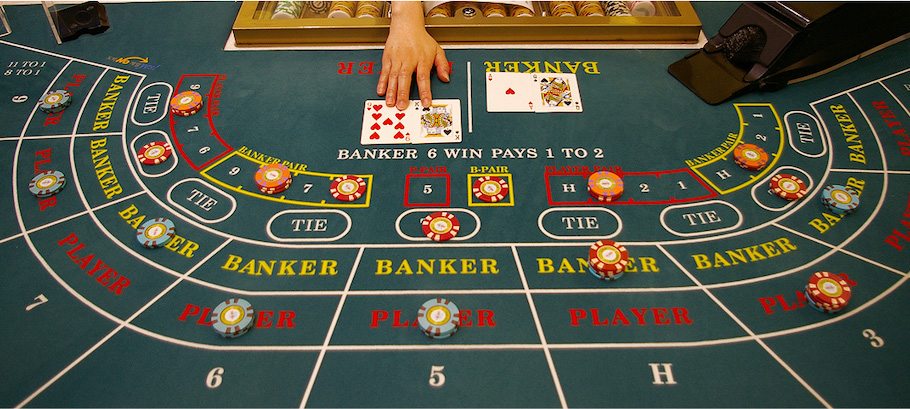
Piggy Bank Slot is a casino game founded on chance. Its theme focuses on the simple, universal act of saving money. The familiar image of the piggy bank makes the game easy to understand and appeals to a basic financial desire. Players spin reels adorned with symbols like coins, banknotes, gold bars, and the pig itself. The goal is to match matching symbols on the game’s paylines to win credits. Like many modern slots, it includes special features. Wild symbols can stand in for others to create wins. Scatter symbols might unlock bonus games. The highlight is often a ‘Break the Piggy Bank’ feature. This could be a separate mini-game or a set of free spins where the pig smashes open to show a multiplier or a pile of coins. This action ties the game’s core fantasy directly to its name—the moment of breaking savings wide open.
Imagery and Player Engagement
The game’s imagery is carefully selected. It taps into that daydream of a sudden, life-changing cash infusion. Every spin contains a tiny story of what could be, with the piggy bank sitting there as a promise of a payout. This consistent theme draws players into the fantasy. The designers add layers of sound and animation to reinforce the feeling. You hear the clatter of coins, the crack of ceramic, and see flashy graphics on a big win. These details reinforce the joy of hitting it big. In essence, the game works because it combines simple mechanics with a powerful daydream. It takes the slow, steady effort of real saving and condenses it into a sudden, satisfying moment. It creates a short-hand digital version of a windfall, the kind that someone might imagine using for a deposit on a house.
The Australian Property Market: A Primer for New Investors
Transitioning from the fantasy of a slot win to the genuine Australian property market means understanding how it works. The market is not a single thing. It differs wildly from state to state, from city centers to coastal towns and rural areas. Sydney and Melbourne have seen significant price growth over the long term, but they are pricey and competitive. Cities like Brisbane, Adelaide, and Perth, along with some regional centers, can offer different opportunities. They might have more affordable prices but also different outlooks for growth and rental returns. What determines prices? Look at population growth, especially in the capitals. Watch what the Reserve Bank of Australia implements with interest rates. Pay attention to government rules, like grants for first-home buyers or tax changes. The broader economy matters too, affecting jobs and wages.
If you are considering buying, perhaps with a lump sum from a win, you need to understand these forces. Property cycles in cycles—it goes up, flattens out, and sometimes dips. When you buy and where you buy are major decisions. The type of property alters the game too. A freestanding house, a townhouse, and an apartment come with different costs for upkeep, body corporate fees, and land value. To engage with the market, you must replace daydreams for data. You need to study median prices, how long properties sit on the market, auction results, and rental vacancy rates. This approach is the opposite of a random slot spin. It is a method. Your success hinges on research and careful checking, which reduces your risk and connects your purchase to actual financial plans, not just luck.
Post-Purchase Considerations and Beyond
Obtaining the keys is simply the start. Now the work of ownership begins. If you are settling in, your budget now includes more than the mortgage. Budget for council rates, water bills, building insurance, contents insurance, and general maintenance. It is wise to have a fund for unforeseen events, like a leaking roof or a broken hot water system. If you purchased the property as an investment, you have more to handle. You need to secure tenants, either by yourself or using an agent. You must comply with tenancy laws, get landlord insurance, and understand the tax rules for rental income, claimable expenses, and future capital gains tax. The property is now part of your financial life. Its value will rise and fall with the market.
Over time, you might contemplate enhancing your asset. Renovations, better landscaping, or adding solar panels can boost value, but always get the proper permits first. As you build equity or if interest rates change, you could refinance your loan to get a better deal. This ongoing management phase necessitates a shift in thinking. You are no longer a buyer; you are a steward. That windfall that helped with the deposit is now locked into a physical asset. It requires your attention and care to sustain and grow its worth. This is a long-term commitment, completely different from the single act of placing a bet.
Wrap-Up: Blending Fantasy and Practicality
The tale that runs from the digital screen of Piggy Bank Slot to the entrance of an Australian house is a fascinating combination of contemporary fantasies and hard facts. We have explored how the slot game frames the illusion of quick wealth. We have also walked through the detailed, rule-bound, and strategic process of acquiring property. The game offers a metaphor for a monetary success. The actual acquisition shows us the value of preparation, expert counsel, and adhering to regulations. The “closing break” in real estate is a meticulously arranged legal and financial event. It is not a mere coincidence. For many, homeownership is a strong ambition. It is attained through disciplined saving and educated decisions. Grasping both worlds—the entertaining simulation of fortune and the real effort of investment—offers you a clear view of the journey. The true benefit does not come from the likelihood of a jackpot. It originates from the purposeful, knowledge-based steps you pursue to obtain a actual property of your own.